

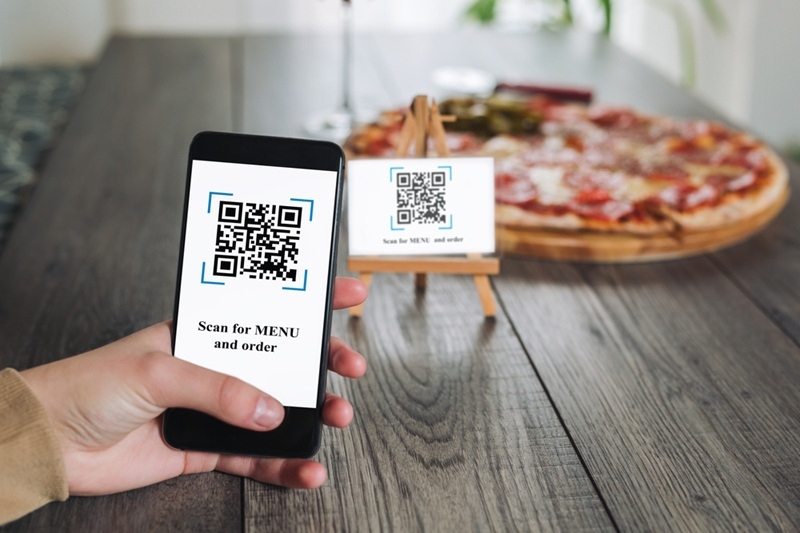
Quishing is a type of cyber attack where QR codes are used to trick users into sharing personal information. It looks simple on the surface, but the risk behind it is often hidden. Many people scan codes daily without thinking much.
This blog will explain to you what is Quishing and help you understand how QR Code Phishing works. It will also cover the precautions you must take to avoid such scams.
Must Read: A Complete Guide for Avoiding Phishing and Email Scams
Quishing can be explained as a new version of phishing that replaces links with QR codes. Instead of clicking, people scan. That small change makes a big difference.
Scanning feels safe. It feels normal. People do it for menus, payments, tickets, and many daily tasks. This habit has opened a new door for attackers. They no longer need to send suspicious emails. A printed code can do the job quietly.
There is also another reason behind its growth. QR codes do not show the final link before scanning. That means users cannot judge the risk in advance. Once scanned, the redirection happens quickly, and most people do not stop to check.
This form of QR Code Phishing works because it blends into daily life. It does not look like a threat. It does not feel urgent. It simply waits for a quick scan, and that is enough to begin the attack.
This part breaks the process into clear steps. It shows how simple actions turn into a serious issue without the user even noticing it.
Attackers create a QR code that links to a harmful page. This page is designed to look normal, sometimes even identical to a real login or payment screen.
The code is placed where people trust it. It can be printed on posters, shared in messages, or added to documents. The goal is to make it look natural and expected.
A person scans the code, thinking it is part of a normal process. There is no warning, no visible sign that something is wrong at this stage.
The scan leads to a page that asks for details. It may request login information or other personal data. The page looks real enough to avoid suspicion.
Once the user enters the details, the information goes directly to the attacker. The user often leaves without realizing what just happened.
Top Pick: Phishing as a Service: AI-Powered Cybercrime on the Rise
Even though QR codes hide links, there are still ways to notice something is off. It just takes a moment of attention.
You should be aware that when a page asks for sensitive information without a clear reason, it can be a scam. If the request feels out of place, it is worth stopping and thinking.
The layout might look slightly wrong. The text may not feel right. These small details can reveal the truth.
Always be careful when you notice codes are visible in the page in random sections. If there is no clear source or explanation, it is better not to scan.
You can check below to understand the different real-life Quishing examples:
A QR code is shared during a payment process. The user believes it will receive money, but instead it triggers an approval request that sends money out.
Attackers place their own QR codes over existing ones in public areas. A user scans it, expecting normal information, but lands on a harmful page.
Some codes promise rewards or benefits. People scan them out of curiosity. The page then asks for personal details for verification.
QR codes are sent through messages with a reason that sounds urgent or important. The user scans it quickly and ends up sharing private data.
Protection does not need complex steps. Small habits can make a big difference if followed regularly.
It is important to recognize the source before scanning the code. Random sources must always be approached with caution.
Some devices provide the link preview after scanning the code. It is always important to spend an extra second reading the preview to help detect unusual or unexpected information.
If the scanned page requires personal information, it is always important to slow down. Rushing through the process often results in many mistakes.
Some scanning tools provide alerts on unsafe links. This is an important aspect that helps ensure safety while scanning codes during daily activities.
It is easier to learn about the ways to prevent QR code phishing by staying informed about the ways in which the scam is executed.
Quishing is not loud and obvious. It is quiet and happens through normal activities. A simple scan can lead to serious consequences if one is not careful. Being careful and avoiding making quick decisions can help one stay safe from QR-based phishing attacks in their daily life.
Quishing can be referred as a method where QR codes are used to trick users into sharing sensitive information. It is important to understand because it looks harmless but can lead to serious data loss. Awareness helps people avoid simple mistakes that could cause bigger problems later.
QR Code Phishing is done in normal circumstances, such as making a payment, seeing posters, or receiving messages. People scan the QR codes without thinking much. This is where attackers take advantage of the situation and redirect them to malicious sites.
Yes, Quishing Examples make it easier to understand how these scams work in real situations. When people know what to expect, they can spot unusual patterns quickly. This awareness helps in making better decisions before scanning unknown QR codes in daily use.
This content was created by AI